ARTFAIRPH/PROJECTS
Curatorial Notes
Tabuena produced a body of work that would mirror influences from his association with the Neo-Realists in the Philippines such as Cesar Legaspi, HR Ocampo, Anita Magsaysay Ho, Nena Saguil, Victor Oteyza and Vicente Mananasala; and later, his interactions with Mexican muralists David Siqueiros, Diego Rivera and Rufino Tamayo. These artistic encounters led him to his decision to stay in San Miguel de Allende in Mexico where he found it conducive to experiment with new artistic techniques.
His memories of his homeland were central to all his works, interpreted in the various influences he fused into his distinct style–be it the fractal cubist- like images, the elongated carabaos, nipa huts and palm trees echoing Chinese brush strokes in his vertical works, or the bright color palette derived from traditional Mexican colors. His Philippine landscapes, most especially, were odes to his native land, interpreting his nostalgia in that hybrid style that he continued experiment with until the end of his days away from home.
–Tats Rejante Manahan
About the Artist
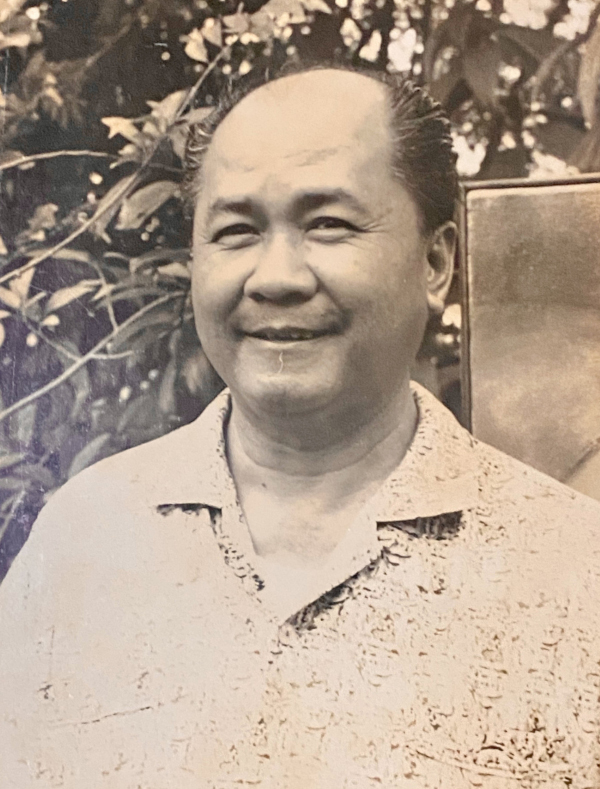
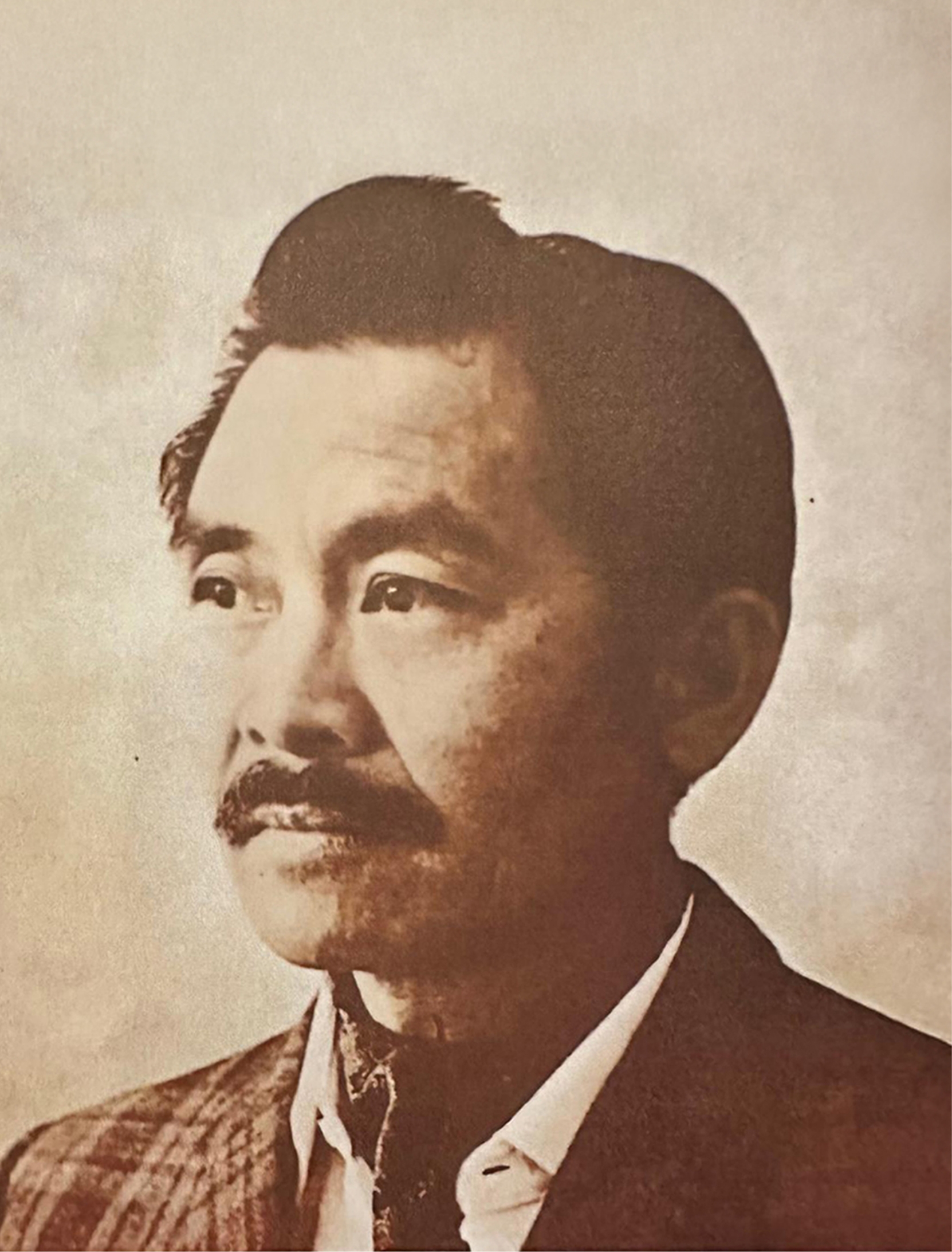
Romeo Tabuena ( born August 22, 1921, Iloilo), after finishing his studies in Manila, left for New York for further studies in 1952 at the Art Students League in New York, and later at the Academie de la Grande Chaumiere in Paris in 1954. In 1955, he moved to San Miguel de Allende in Mexico, never returning to the Philippines. He churned out a body of work that would mirror influences from his time with the Neo-Realists in the Philippines such as Cesar Legaspi, HR Ocampo, Anita Magsaysay Ho, Nena Saguil, Victor Oteyza and Vicente Mananasala; and later, his interactions with Mexican muralists David Siqueiros, Diego Rivera and Rufino Tamayo. These artistic encounters led him to his decision to stay in San Miguel de Allende in Mexico where he found it conducive to experiment with new techniques in the many paintings he produced until the end of his years. His work endeared him to the Mexican community, and every exhibit he held there witnessed lines of buyers eager to purchase his work.
Despite his physical absence in the Philippines, his body of work was nonetheless valued and recognized there for its significant contributions to the visual arts scene. His memories of his homeland were central to all his works, interpreted in the various influences he fused into his distinct style, recognizable as a work by Tabuena--be it the fractal cubist- like images, the elongated carabaos, nipa huts and palm trees echoing Chinese brush strokes in his vertical works, or the bright color palette derived from traditional Mexican colors. His Philippine landscapes, most especially, were odes to his native land, as he never stopped honoring the
Philippines interpreting his nostalgia in that hybrid style that he continued to conquer to the end of his days away from home.
Romeo Tabuena died on October 15, 2015, in San Miguel de Allende, Guanajuato, Mexico where he lived for 60 years.
ArtFairPH/Projects Artists